
Connect the systems that make the business work.
BrainRevelocity integrates applications, data, and workflows so information moves reliably, repetitive handoffs decline, and teams can automate with confidence.
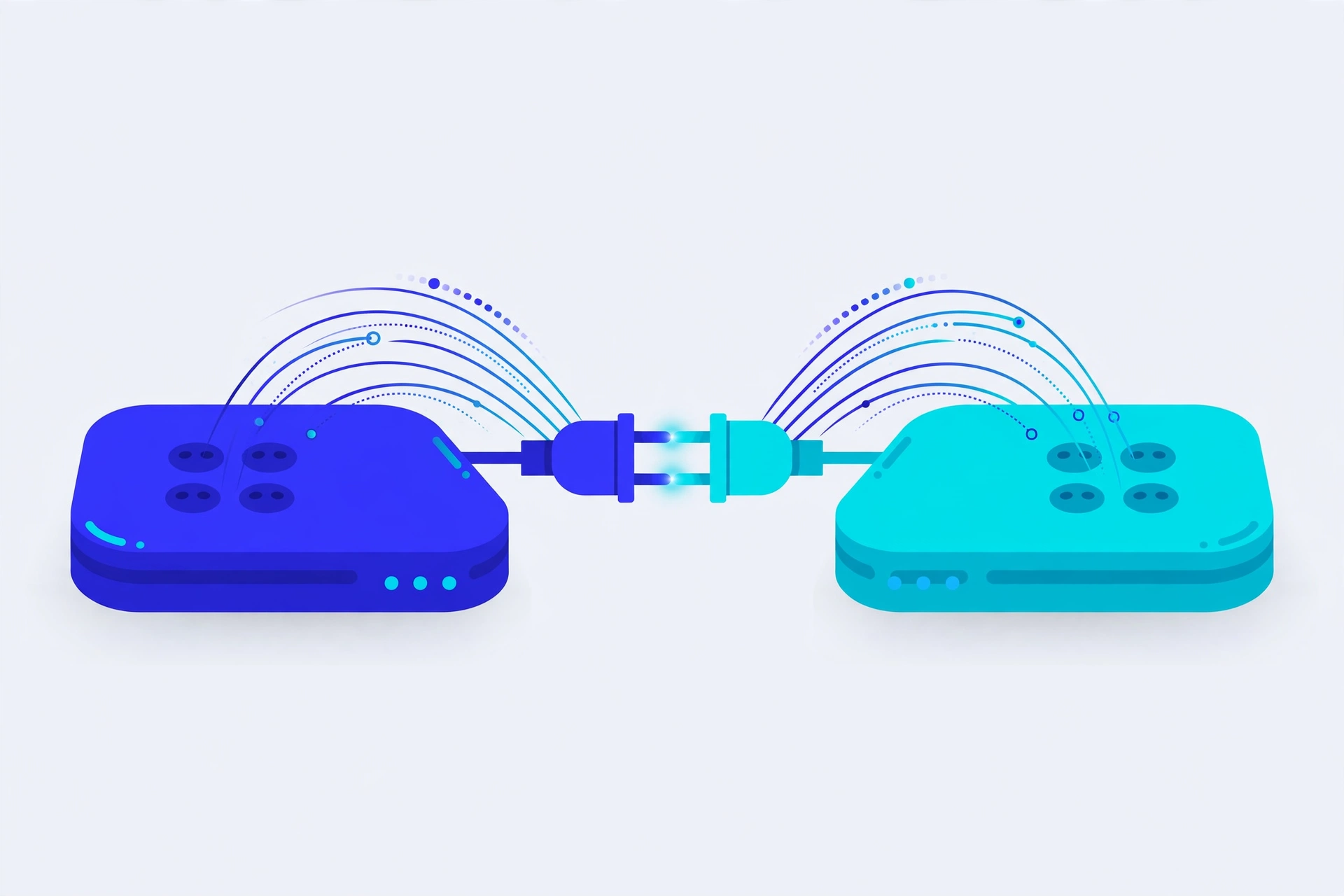
Integration is an operating capability, not a one-time connection.
A dependable integration has defined ownership, secure access, traceable data movement, error handling, and a plan for change. We design those qualities into the workflow so automation remains supportable as systems evolve.
Applications & APIs
Connect the systems of record. Design and implement secure interfaces across business platforms, cloud services, custom applications, and partner ecosystems.
Data integration
Move information with context. Map, validate, transform, synchronize, and monitor data so downstream reporting, automation, and AI use dependable inputs.
Workflow automation
Remove repetitive coordination. Streamline approvals, routing, notifications, document handling, and recurring operational steps while preserving human review where it matters.
Connect first. Automate second. Add AI only where interpretation improves the result.
Turn one costly workflow into a reliable operating pattern.
We begin with the business flow, then design integration, controls, observability, and ownership around the result it needs to produce.
Document the workflow, systems, data, decisions, exceptions, and pain.
Choose patterns, controls, ownership, and measures of success.
Implement, test realistic cases, document, and prepare support.
Monitor flow, failures, quality, performance, and business outcomes.
Integration, answered.
Can you integrate legacy systems?
Often, yes. We assess available interfaces, data access, change risk, and supportability before choosing the safest pattern.
Should we automate the process as it exists?
Not necessarily. We first remove unnecessary steps and clarify decisions so automation does not make a weak process run faster.
When should AI be part of the workflow?
AI can help where interpretation or language is involved. Deterministic rules remain better for predictable, high-control steps.
Who supports the integration after launch?
We define ownership, monitoring, documentation, alert handling, and change procedures before release, then support or transition the solution.
Start with one workflow that costs too much time.
We will map the handoffs, choose the right integration pattern, and define a practical first release.
Discuss an integration